The World’s First Autonomous Aircraft Capable of Hunting Submarines Introduced

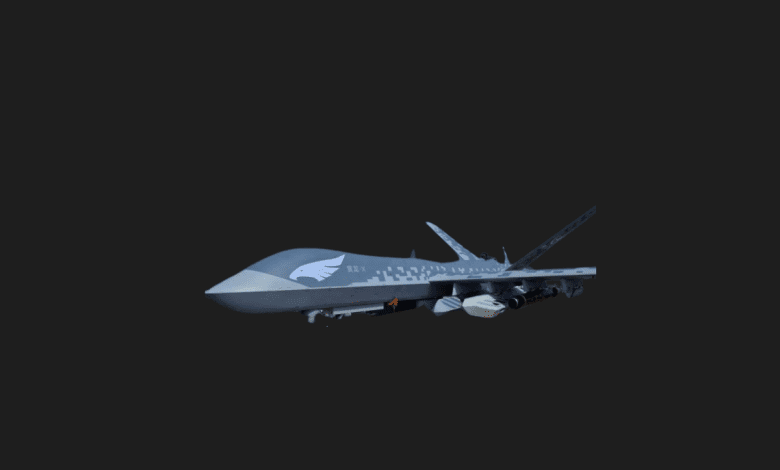

China’s new UAV, the Wing Loong X, has become the world’s first long-range drone capable of fully autonomous anti-submarine warfare. The platform can remain airborne for 40 hours, deploy sonobuoys from the air, and locate targets using artificial intelligence.
China has officially unveiled the first autonomous unmanned aerial vehicle designed for submarine hunting. The new platform, named Wing Loong X, made its debut at the Dubai Airshow 2025, marking an ambitious new chapter in the country’s anti-submarine defense capability. According to its developers, this model is the world’s first long-range UAV capable of conducting completely independent Anti-Submarine Warfare (ASW).
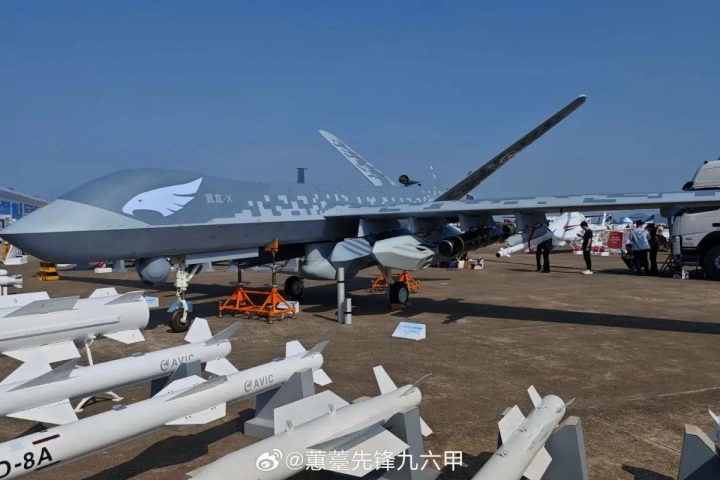
While largely retaining the appearance of the Wing Loong family, the new drone presents a significant leap forward in terms of its equipment and mission profile. Reaching dimensions close to a small business jet with a wingspan exceeding 20 meters, the system boasts an uninterrupted flight duration of up to 40 hours and a service ceiling of 10,000 meters. This allows it to undertake continuous patrol missions over critical maritime areas for nearly two days.
It Detects and Strikes Independently
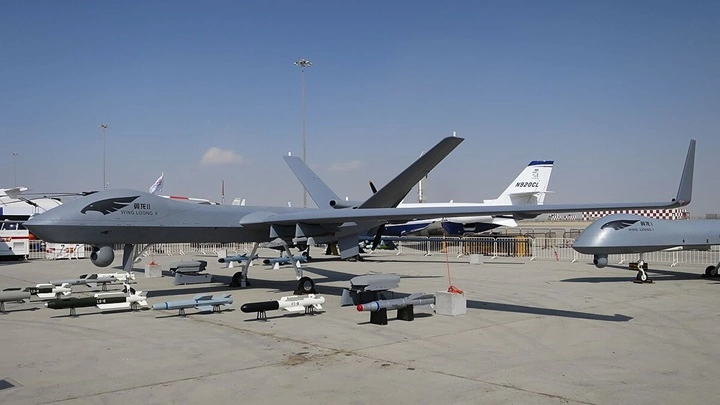
One of the most remarkable features of the new UAV is its ability to autonomously deploy sonobuoys. This procedure, normally performed only by manned maritime patrol aircraft, is critical for collecting underwater acoustic data. The Wing Loong X is claimed to not only deploy these buoys but also to analyze the collected acoustic data with its onboard artificial intelligence system to classify targets. Furthermore, reports indicate that the aircraft can carry lightweight anti-submarine torpedoes, meaning it has the capacity to strike the target it detects on its own.
If these capabilities are confirmed, China’s surveillance and assertiveness capacity over the disputed South China Sea could increase dramatically. The ability to maintain 20 to 50 autonomous submarine-hunter UAVs in the air simultaneously could pose a constant detection risk for adversarial submarines in the region. This situation may necessitate new tactical adaptations, particularly for the submarines of the US and allied nations.
Additionally, with such a system, China significantly reduces its need for the development and maintenance of manned Anti-Submarine Warfare (ASW) aircraft, which cost approximately $220 million per unit and require a specialized crew of 10-12 people. In contrast, the Wing Loong X can be manufactured at a much lower cost, deployed in a swarm, and does not constitute a high operational loss if shot down.
However, there are also ongoing debates. The claim that artificial intelligence can decide whether a target is a submarine and subsequently fire a torpedo raises significant ethical and security questions. For this reason, trained operators in manned platforms currently make these decisions by evaluating radar, sonar, IR, and electronic intelligence data together. The assertion that a drone can autonomously and flawlessly handle this sensitive process is still considered a difficult claim to verify by many experts.
You Might Also Like;